
-
Canadian Spruce Gum – Mini Sample Tin
Regular price $10.00 CADRegular price -
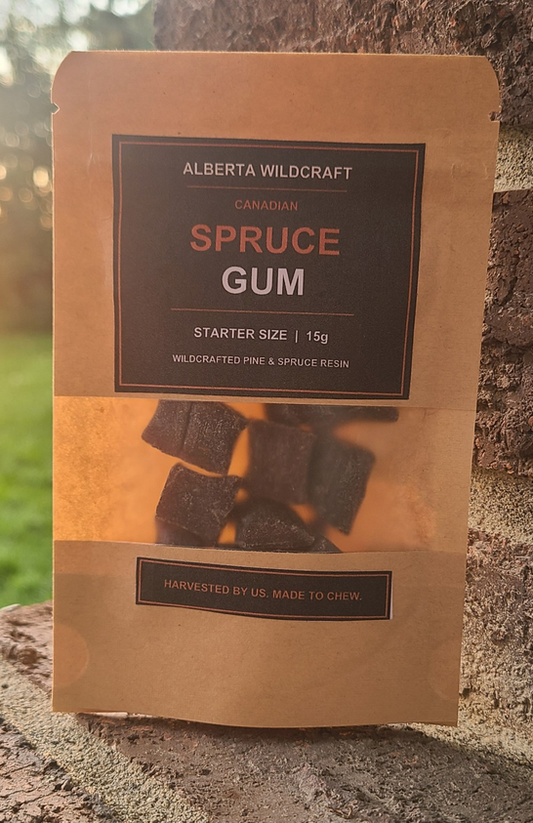
Canadian Spruce Gum - Starter Size (15g)
Regular price $23.95 CADRegular price -
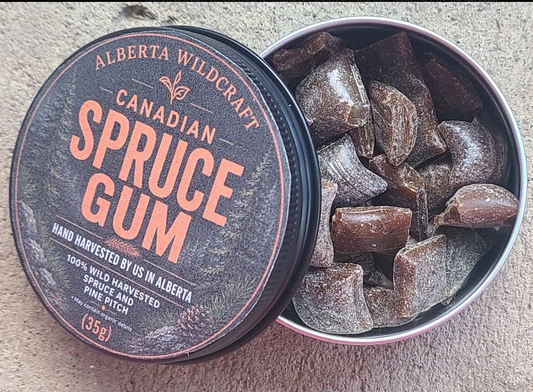
Canadian Spruce Gum (35g Tin)
Regular price $42.00 CADRegular price -
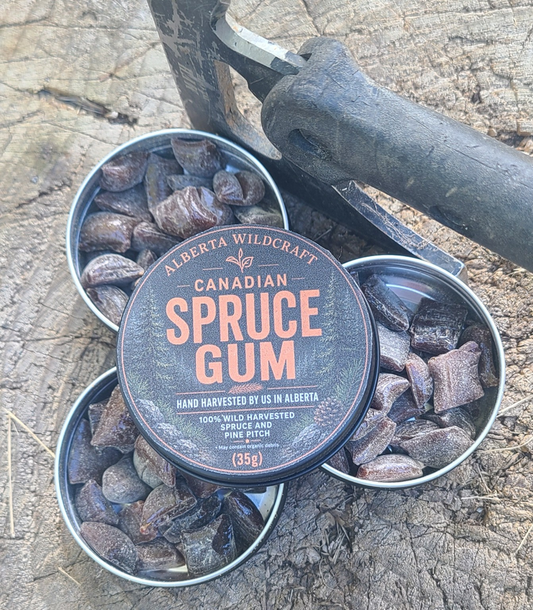
Canadian Spruce Gum (4- Tin Bundle)
Regular price $156.00 CADRegular price -
Chew Cache | Reusable Spruce Gum Storage Tin
Regular price $4.20 CADRegular price





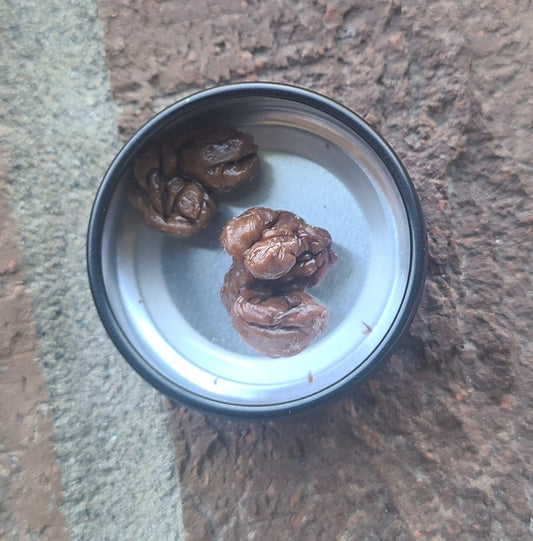
An Old Forest Tradition, Still Being Studied Today
Spruce resin has a long history of use throughout northern forests. Today, researchers continue to study conifer resins, their natural chemistry, and what happens in the mouth when we chew.
White Spruce + Lodgepole Pine Pitch Have Been Studied Directly
Alberta Wildcraft gum contains resin from white spruce (Picea glauca) and lodgepole pine (Pinus contorta). In published ethnopharmacological research examining traditional Carrier (Dakelh) herbal preparations, researchers reported definite antimicrobial activity in pitch preparations made from these same two tree species.
Important: the study examined traditional pitch preparations under laboratory conditions. It did not test Alberta Wildcraft chewing gum and should not be interpreted as evidence that our gum treats or prevents disease.
Spruce Gum Was Chewed Long Before Modern Gum
Gwich'in ethnobotanical records describe hardened spruce pitch being gathered from the tree and chewed as gum. Their records identify both black spruce (Picea mariana) and white spruce (Picea glauca) and document spruce gum as a traditional food, including being given to children as a treat while families were out on the land.
Why Saliva Matters
The physical act of chewing stimulates saliva flow. Saliva helps clear food and debris, dilute and neutralize acids, and carries calcium and phosphate ions involved in the natural remineralization of tooth enamel. This effect comes from chewing itself rather than from a medical claim about spruce resin.
Scientists Have Identified Active Resin Acids
Canadian research on black spruce (Picea mariana) has examined naturally occurring resin acids including abietic, dehydroabietic, palustric and isopimaric acids. Several isolated compounds demonstrated antibacterial activity in laboratory testing against Staphylococcus aureus.
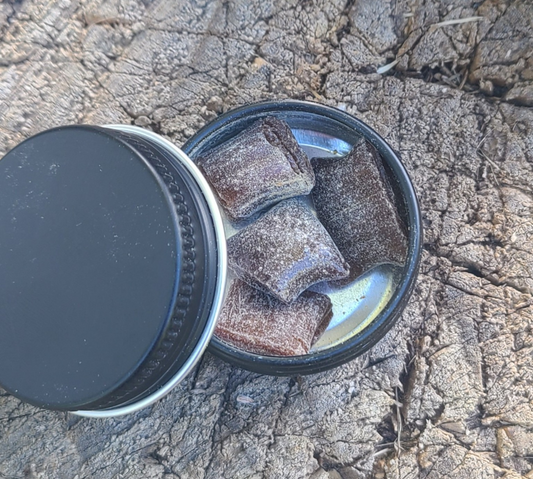
Our resin gum is made from personally wild-harvested white spruce (Picea glauca), black spruce (Picea mariana) and lodgepole pine (Pinus contorta). No conventional synthetic gum base.
Explore the Sources
Research referenced above examines traditional plant preparations, individual tree species, resin compounds or the physiological effects of chewing. These studies have not tested Alberta Wildcraft Spruce Gum. Information is provided for historical and educational context and is not intended to diagnose, treat, cure or prevent disease.